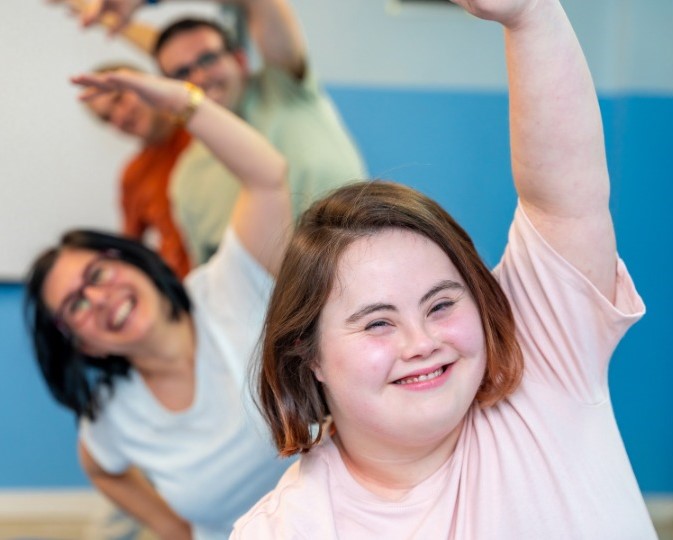

Confidence and social connections are essential parts of living a fulfilling life. For people with disabilities, these skills can sometimes take longer to develop of may require additional support- but with the right programs and environment, meaningful growth is absolutely possible.
Support programs, particularly those funded through the National Disability Insurance Scheme (NDIS), are designed not just to assist with daily living, but to empower individuals to build confidence, from relationships, and actively participate in their communities.
Why Confidence and Social Skills Matter
Confidence affects how we communicate, make decisions, and engage with the world. Strong social skills help individuals:
- Build friendships and relationships
- Express needs and preferences clearly
- Participate in community activities
- Improve emotional wellbeing
For people with disabilities, developing these skills can lead to gather independent and a stronger sense of identity.
How Support Programs Help
Disability support program provides structured and supportive environments where individuals can practise and grow at their own pace. Here’s how they make a difference:
1. Safe and supportive Environments
Participants can interact without fear of judgement. Support workers provide encouragement and guidance, helping individuals step outside their comfort zone.
2. Group Activities and Social Interaction
Programs often include group outings, workshops, or recreational activities. these settings naturally encourage conversation, teamwork, and friendship-building.
Examples include:
- Art and Music classes
- Sports and fitness groups
- Community events and outings
3. Skill- Building Workshops
Many programs focus specifically on communication and social development, such as:
- Learning how to start and maintaining conversation
- Understanding body language and social cues
- Managing anxiety in social situations.
4. One-on-One Support
Some individuals benefit from personalised coaching. Support workers can help practise real-life scenarios, build routines, and reinforce positive behaviors
The Role of confidence on Everyday Life
As confidence grows, individuals often begin to:
- Try new activities
- Speak up for themselves
- Set and achieve personal goals
- Engage more actively in their community
This creates a positive cycle- more confidence leads to more participation, which in turn builds even greater confidence.
Real-Life Impact
Imagine someone who once felt anxious about leaving home now attending weekly group activities, making friends, and even volunteering. These transformations are not uncommon when the right supports are in place.
Support programs don’t just teach skills- they open doors to new experiences, relationships, and opportunities.
Choosing the Right Program
When selecting a support program, consider:
- The individual’s interest and goals
- The experience and approach of support staff
- Opportunities for social interaction
- Flexibility and personalised support options
Final Thoughts
Building confidence and social skills is a journey, not a destination. With the right support, patience, and encouragement, individuals with disabilities can thrive socially and emotionally.
Programs funded through initiatives like the National Disability Insurance Scheme play a crucial role in making this possible- helping people not only live independently, but live confidently