
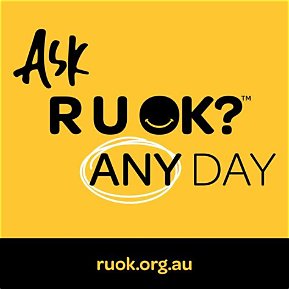
At Christian Home Care & Disability Services, we believe quality disability support starts with a team that is knowledgeable, confident, connected and committed to continue learning. Our Training & Development and workplace Health & Safety (WHS) programs continue to play an important role in supporting our staff and creating positive outcomes for the people we support. Investing in our Team through Training & Development Each month, our team participates in focused Training and Development, designed to strengthen knowledge, build confidence and encourage best practises across our services. Our training covers important areas of disability support, including participant rights, safeguarding, incident management, positive behaviour support, health and safety, infection prevention and control, and person-centred practise. Keeping WHS Front of Mond Work, Health & Safety is everyone’s responsibility. Within our organisation, we continue to promote a proactive approach to WHS. It’s not just about policies and procedures, it’s about creating a workplace where staff feel comfortable speaking up, asking questions and looking out for one another. R U OK Day – More than just a Question This month our team is getting involved in R U OK? DAY, creating opportunities to connect, check-in and remind each other that no one has to navigate difficult days alone. Working in a disability sector can be incredibly rewarding, but it can also be challenging. Our Staff spend their days supporting others, advocating for participants, and helping them achieve their goals. That’s why it’s equally important that we create a workplace that out team feels supported too. Ask – Start a genuine conversation and check in with the people around you. Listen – Give the person your time and attention without rushing to fix the problem. Encourage – If someone isn’t doing OK, encourage them to connect with the right support. Check in – Don’t forget about the conversation. Follow up and let them know you care.

Not All Heros Wear Capes.. Some Fill Incident Forms!
When People think about working in disability support, they often picture community outings, big smiles, and meaningful connections (And yes, we absolutely have plenty of those) But behind every great service is something just as important…keeping everyone safe. And that’s where incidents come in. Monthly Learning- Always growing, Always Improving At Christian Home Care & Disability Services, we’re big believers in continuous learning. Every month, our teams focus on a different topic to build skills, confidence, and knowledge. This month’s focus? Incident reporting and management Why? Because understanding incidents isn’t just about ticking boxes- it’s about: Keeping participants safe Supporting our team Improving the quality of care, we provide Learning how to prevent things in the future So… What is an Incident? An Incident could be: A Slip, trip, or fall A medication mistake A behavioural event A near miss (something that almost happened) It doesn’t always mean something went wrong- it often means we’ve spotted an opportunity to do things even better next time. Why it Matters Every Incident report is more than paperwork. it’s a story, a lesson, and a chance to improve. By taking incidents seriously, we can reduce the chance of repeat situations, improve support strategies, keep our clients safer and more supported, Build a strong & confident team. More information on incident training
What’s New for Us!
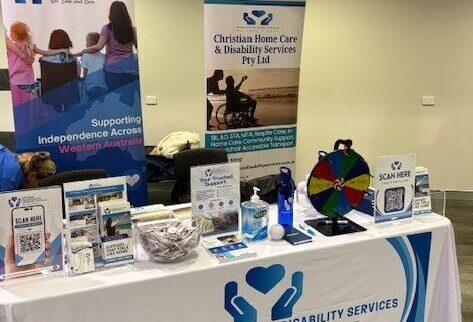
What’s new with us? At Christian Home Care & Disability Services, there’s always something happening- and the past few months have been no exception. From growing our team, expanding accommodation, celebrating participant progress and focusing on team growth and leadership. It’s been an exciting and rewarding period of growth. We’re proud to share some highlights and updates from our journey so far. Community Connection & Events Over the past few months, we have been attending a range of Disability, NDIS, and community networking events, giving us the opportunity to connect with fellow providers, coordinators, families and participants. These events have been a fantastic way to stay informed, share experiences, and strengthen relationships within the disability sector. We are excited to attend the upcoming community expos and events in the coming months. Team Growth & Development Our team continues to Grow! We’ve welcomed new support workers and office staff who bring passion and experience. Ongoing training and development remain key focus to ensure we provide high quality care; consistent support aligned with NDIS values. This Month we have been implementing Medication and the importance of medication training within Christian Home Care & Disability Services. New SIL Accommodation Updates We’re pleased to share that we have recently expanded our Supported Independent Living (SIL) options, including accommodation located in Broome and Coogee, conveniently located close to amenities. Supporting Participant Goals We have been working closely with participants to review goals, and tailor supports that promote independence, skill building, and confidence. It’s been wonderful to see positive progress and personal achievements. Looking Ahead As we move forward, our focus remains on Expanding quality accommodation options Strengthening our experienced and compassionate team Keeping participant choice, voice, and independence at the centre of everything we do.
Building Social Skills through Support Programs
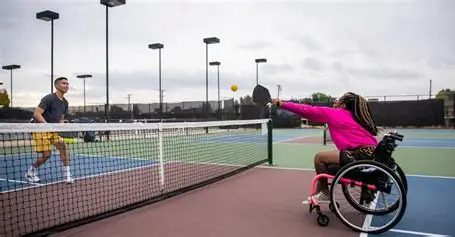
Confidence and social connections are essential parts of living a fulfilling life. For people with disabilities, these skills can sometimes take longer to develop of may require additional support- but with the right programs and environment, meaningful growth is absolutely possible. Support programs, particularly those funded through the National Disability Insurance Scheme (NDIS), are designed not just to assist with daily living, but to empower individuals to build confidence, from relationships, and actively participate in their communities. Why Confidence and Social Skills Matter Confidence affects how we communicate, make decisions, and engage with the world. Strong social skills help individuals: Build friendships and relationships Express needs and preferences clearly Participate in community activities Improve emotional wellbeing For people with disabilities, developing these skills can lead to gather independent and a stronger sense of identity. How Support Programs Help Disability support program provides structured and supportive environments where individuals can practise and grow at their own pace. Here’s how they make a difference: 1. Safe and supportive Environments Participants can interact without fear of judgement. Support workers provide encouragement and guidance, helping individuals step outside their comfort zone. 2. Group Activities and Social Interaction Programs often include group outings, workshops, or recreational activities. these settings naturally encourage conversation, teamwork, and friendship-building. Examples include: Art and Music classes Sports and fitness groups Community events and outings 3. Skill- Building Workshops Many programs focus specifically on communication and social development, such as: Learning how to start and maintaining conversation Understanding body language and social cues Managing anxiety in social situations. 4. One-on-One Support Some individuals benefit from personalised coaching. Support workers can help practise real-life scenarios, build routines, and reinforce positive behaviors The Role of confidence on Everyday Life As confidence grows, individuals often begin to: Try new activities Speak up for themselves Set and achieve personal goals Engage more actively in their community This creates a positive cycle- more confidence leads to more participation, which in turn builds even greater confidence. Real-Life Impact Imagine someone who once felt anxious about leaving home now attending weekly group activities, making friends, and even volunteering. These transformations are not uncommon when the right supports are in place. Support programs don’t just teach skills- they open doors to new experiences, relationships, and opportunities. Choosing the Right Program When selecting a support program, consider: The individual’s interest and goals The experience and approach of support staff Opportunities for social interaction Flexibility and personalised support options Final Thoughts Building confidence and social skills is a journey, not a destination. With the right support, patience, and encouragement, individuals with disabilities can thrive socially and emotionally. Programs funded through initiatives like the National Disability Insurance Scheme play a crucial role in making this possible- helping people not only live independently, but live confidently
5 Fun Inclusive Activities You Can Try at Home
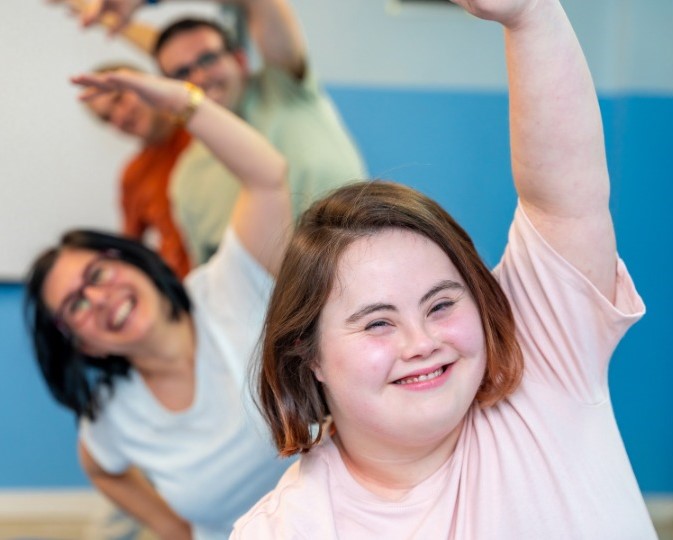
At Christian Home Care & Disability Services, we believe fun should be for everyone. Inclusive activities don’t need to be complicated or expensive- they just need creativity, flexibility, and focus on ability. Whether you’re a participant, family member, or support worker, here are five enjoyable, adaptable activities you can try at home that encourages independence, confidence, and connection. 1. Sensory-Friendly Movie Night A movie night can easily be adapted to suit individual sensory needs. How to make it inclusive: Adjust lighting (dim lamps instead of total darkness) Control volume levels Use subtitles for accessibility Provide weighted blankets or comfort items Schedule breaks if needed You might choose upfilling, inclusive films like CODA, or Wonder, which celebrate difference and resilience Bonus Idea: Let everyone vote on the movie choice to encourage decision-making skills. Adaptive Cooking Together Cooking builds life skills, independence, and confidence- and it can easily be modified. Ways to adapt: Use visual recipe cards Pre-measure ingredients Use adjustive kitchen tools Break tasks into simple steps Assign roles based on strengths Simple recipes like fruit salad, homemade pizzas, or no-bake treats are perfect starting points. Cooking together also builds teamwork and communication skills- and you get a tasty reward at the end! Creative Arts & DIY Crafts Art is one of the most accessible forms of self-expression. Try activities like: Painting with brushes, sponges, or fingers Collage making Decorating plant pots DIY greeting cards Sensory art using textured materials There’s no “right” way to create art. The goal is expression, not perfection. At our service, we’ve seen art help build confidence, emotional regulation, and fine motor skills- all while having fun. Chair Yoga or Movement session Movement looks different for everyone- and that’s okay. Chair yoga, stretching routines, or gentle dance sessions can: Improve flexibility Reduce stress Boost mood Increase body awareness You can even create your own mini ” home games” inspired by events like Paralympics games- focusing on participation and personal bests rather than competition. Turn into a weekly ” wellness Wednesday” activity to build routine. Music & Mini Talent Show Music is powerful, motivating, and inclusive Ideas Include: Karaoke sessions Playing simple instruments Creating playlists together Writing short songs Hosting a family talent show Music supports communication, emotional expression, and social connection- and it’s a fantastic confidence booster. Why Inclusive Activities Matter Inclusive home activities: Encourage independence Strengthen family bonds Support skill development Build Self-esteem Promote joy and belonging Inclusion isn’t about doing everything the same way- it’s about adapting the environment so everyone can participate meaningfully. At Christian Home Care & Disability Services, we are passionate about empowering people of all abilities to live fulfilling, connected lives- at home and in the community. If you’d like more activity ideas or support tailored to your goals, our team is always here to help.
