

Confidence and social connections are essential parts of living a fulfilling life. For people with disabilities, these skills can sometimes take longer to develop of may require additional support- but with the right programs and environment, meaningful growth is absolutely possible. Support programs, particularly those funded through the National Disability Insurance Scheme (NDIS), are designed not just to assist with daily living, but to empower individuals to build confidence, from relationships, and actively participate in their communities. Why Confidence and Social Skills Matter Confidence affects how we communicate, make decisions, and engage with the world. Strong social skills help individuals: Build friendships and relationships Express needs and preferences clearly Participate in community activities Improve emotional wellbeing For people with disabilities, developing these skills can lead to gather independent and a stronger sense of identity. How Support Programs Help Disability support program provides structured and supportive environments where individuals can practise and grow at their own pace. Here’s how they make a difference: 1. Safe and supportive Environments Participants can interact without fear of judgement. Support workers provide encouragement and guidance, helping individuals step outside their comfort zone. 2. Group Activities and Social Interaction Programs often include group outings, workshops, or recreational activities. these settings naturally encourage conversation, teamwork, and friendship-building. Examples include: Art and Music classes Sports and fitness groups Community events and outings 3. Skill- Building Workshops Many programs focus specifically on communication and social development, such as: Learning how to start and maintaining conversation Understanding body language and social cues Managing anxiety in social situations. 4. One-on-One Support Some individuals benefit from personalised coaching. Support workers can help practise real-life scenarios, build routines, and reinforce positive behaviors The Role of confidence on Everyday Life As confidence grows, individuals often begin to: Try new activities Speak up for themselves Set and achieve personal goals Engage more actively in their community This creates a positive cycle- more confidence leads to more participation, which in turn builds even greater confidence. Real-Life Impact Imagine someone who once felt anxious about leaving home now attending weekly group activities, making friends, and even volunteering. These transformations are not uncommon when the right supports are in place. Support programs don’t just teach skills- they open doors to new experiences, relationships, and opportunities. Choosing the Right Program When selecting a support program, consider: The individual’s interest and goals The experience and approach of support staff Opportunities for social interaction Flexibility and personalised support options Final Thoughts Building confidence and social skills is a journey, not a destination. With the right support, patience, and encouragement, individuals with disabilities can thrive socially and emotionally. Programs funded through initiatives like the National Disability Insurance Scheme play a crucial role in making this possible- helping people not only live independently, but live confidently
10 Fun Activities to Do in Perth with NDIS Support
Living in Perth offers plenty of opportunities to explore, socialise, and enjoy new experiences. With the right NDIS support, participants can get out in the community, try new activities, and build independence while having fun. Here are 10 enjoyable activates you can try around Perth with your support worker. 1.Explore the Beauty of Kings Park A visit to Kings Park and Botanic Garden is perfect for a relaxing day out. The park has accessible walking paths, stunning views of the Swan River, picnic areas, and a beautiful garden to explore. Support workers can help with mobility assistance and making the day comfortable and enjoyable. 2.Visit Perth Zoo Spend the day discovering amazing animals at Perth Zoo. The Zoo is wheelchair accessible and offers sensory friendly experiences, making it a great activity for participants who enjoy nature and wildlife. 3.Beach Day at Cottesloe Nothing beats a relaxing day by the ocean at Cottesloe Beach. With accessible pathways and beautiful sunsets, it’s a great place to enjoy fresh air, a picnic or a casual walk along the coast with support. 4.Discover Art and Creativity Get inspired at the Art Gallery of Western Australia. Exploring art exhibitions can be a relaxing and creative activity. many galleries offer accessible spaces and quiet areas for visitors. 5.Join a community Sports Activity Sports and movement are great for both physical and mental wellbeing. Organisations like Reclink Australia provide inclusive activates that help participants stay active while connecting with others. 6.Picnic and Nature Walks The peaceful surrounding of Whitman Park makes it ideal for picnics, nature walks, and spotting wildlife. Support workers can help participants navigate the park and enjoy different attractions. 7.Explore Fremantle markets Take a trip to Fremantle markets for a vibrant and fun outing. Participants can browse handmade crafts, enjoy delicious foods, and experience the lively atmosphere. 8. Watch a Movie Together Going to the cinema is a classic social activity. Hoyts carousel offer accessible seating and sensory-friendly screening, making movie outings comfortable for many participants. 9. Visit Elizabeth Quay A walk around Elizabeth quay is a great way to enjoy the city. With cafes, scenic views, and accessible pathways, it’s a relaxing place to spend time with your support worker. 10. Try a Creative Workshop Art, pottery, or craft workshop can be fantastic way to express creativity and build confidence. Community centres across Perth regularly host inclusive creative sessions where participants can learn new skills. Making the Most of NDIS Community Participation NDIS Support can help participants access the community, try new experiences, and build confidence in everyday activities. Whether its visiting parks, attending events, or learning new hobbies, there are countless opportunities around Perth to stay active and connected. The most important thing is choosing activities that match your interest and goals. With the right support, every outing can become a meaningful and enjoyable experience.

5 Fun Inclusive Activities You Can Try at Home
At Christian Home Care & Disability Services, we believe fun should be for everyone. Inclusive activities don’t need to be complicated or expensive- they just need creativity, flexibility, and focus on ability. Whether you’re a participant, family member, or support worker, here are five enjoyable, adaptable activities you can try at home that encourages independence, confidence, and connection. 1. Sensory-Friendly Movie Night A movie night can easily be adapted to suit individual sensory needs. How to make it inclusive: Adjust lighting (dim lamps instead of total darkness) Control volume levels Use subtitles for accessibility Provide weighted blankets or comfort items Schedule breaks if needed You might choose upfilling, inclusive films like CODA, or Wonder, which celebrate difference and resilience Bonus Idea: Let everyone vote on the movie choice to encourage decision-making skills. Adaptive Cooking Together Cooking builds life skills, independence, and confidence- and it can easily be modified. Ways to adapt: Use visual recipe cards Pre-measure ingredients Use adjustive kitchen tools Break tasks into simple steps Assign roles based on strengths Simple recipes like fruit salad, homemade pizzas, or no-bake treats are perfect starting points. Cooking together also builds teamwork and communication skills- and you get a tasty reward at the end! Creative Arts & DIY Crafts Art is one of the most accessible forms of self-expression. Try activities like: Painting with brushes, sponges, or fingers Collage making Decorating plant pots DIY greeting cards Sensory art using textured materials There’s no “right” way to create art. The goal is expression, not perfection. At our service, we’ve seen art help build confidence, emotional regulation, and fine motor skills- all while having fun. Chair Yoga or Movement session Movement looks different for everyone- and that’s okay. Chair yoga, stretching routines, or gentle dance sessions can: Improve flexibility Reduce stress Boost mood Increase body awareness You can even create your own mini ” home games” inspired by events like Paralympics games- focusing on participation and personal bests rather than competition. Turn into a weekly ” wellness Wednesday” activity to build routine. Music & Mini Talent Show Music is powerful, motivating, and inclusive Ideas Include: Karaoke sessions Playing simple instruments Creating playlists together Writing short songs Hosting a family talent show Music supports communication, emotional expression, and social connection- and it’s a fantastic confidence booster. Why Inclusive Activities Matter Inclusive home activities: Encourage independence Strengthen family bonds Support skill development Build Self-esteem Promote joy and belonging Inclusion isn’t about doing everything the same way- it’s about adapting the environment so everyone can participate meaningfully. At Christian Home Care & Disability Services, we are passionate about empowering people of all abilities to live fulfilling, connected lives- at home and in the community. If you’d like more activity ideas or support tailored to your goals, our team is always here to help.
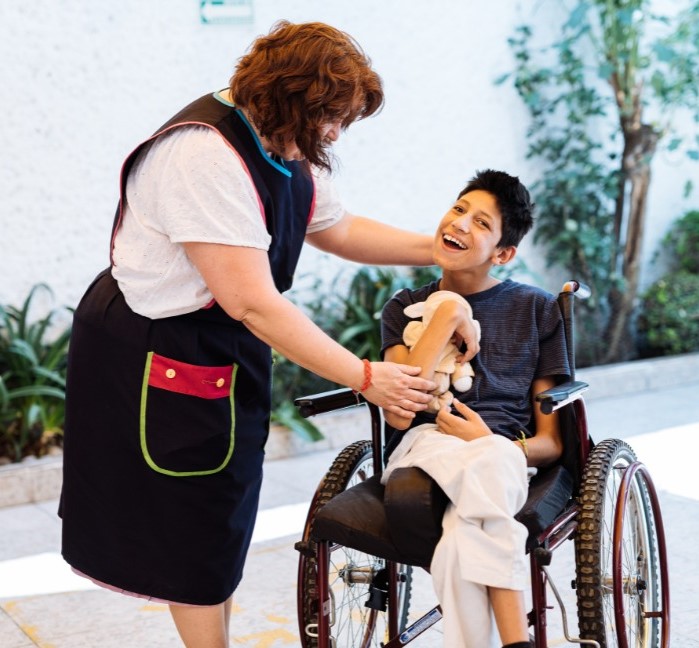
More Than Cleaning- How Domestic Services Support Independence
As a disability Support provider, one of the most misunderstood services we offer is domestic support. To some it may sound like “just cleaning”. But in reality, domestic services are about far more than household tasks- they are about safety, wellbeing, confidence, and independence. A clear, organised home is not a luxury. It is a foundation for a healthy and empowered life. What are Domestic Services? Domestic services provide practical, in- home support for people who may find certain household tasks physically, cognitively, or emotionally challenging. These supports are always tailored to the individual’s needs and goals. Services may include: General cleaning (Vacuuming, Mopping, dusting) Laundry and linen changes Dishwashing and kitchen upkeep Bathroom and toilet sanitisation Meal preparation Grocery shopping Support Basic home organisation For participants funded under the National Disability Insurance scheme, domestic assistance may form an important part of their capacity-building or core supports. Why Domestic Support 1.Health And Safety A clean home reduced risk- from slips and falls to hygiene-related illness, for individuals with mobility challenges, chronic illness, Compromised immunity, maintaining a safe environment is essential. 2. Preserving Energy for What Matters Many people living with disability carefully manage their physical or mental energy each day. By receiving help with demanding household tasks, they can redirect that energy towards employment, study, family, social activities, or personal development. Domestic services are not about taking over- they are about conserving strength for meaningful activities. 3.Building Skills and Confidence Where appropriate, we don’t simply “do for”- we “do with.” Support workers can assist participants in developing routines, learning new skills, and building confidence in managing their home. Over time, this can increase independence and self-esteem. Respecting Dignity and Privacy Working in someone’s home is a position of trust. We approach domestic support with professionalism, discretion, and respect. Every individual has preferences about how their home is maintained, and those preferences guide our approach. We enter homes not as a guest taking over, but as a partner supporting independence. More Than a Service- A foundation for Independence Domestic support is often quiet work. It happens behind the scenes. But its impact is profound. A safe and organised home environment can: Reduce Stress and anxiety Improve mental clarity Support better physical health Strengthen daily routine Increase Confidence Promote long-term independence When a person feels comfortable and in control within their own space, everything else becomes more possible. Domestic support is not just ” cleaning”. It’s about creating conditions for people to thrive.
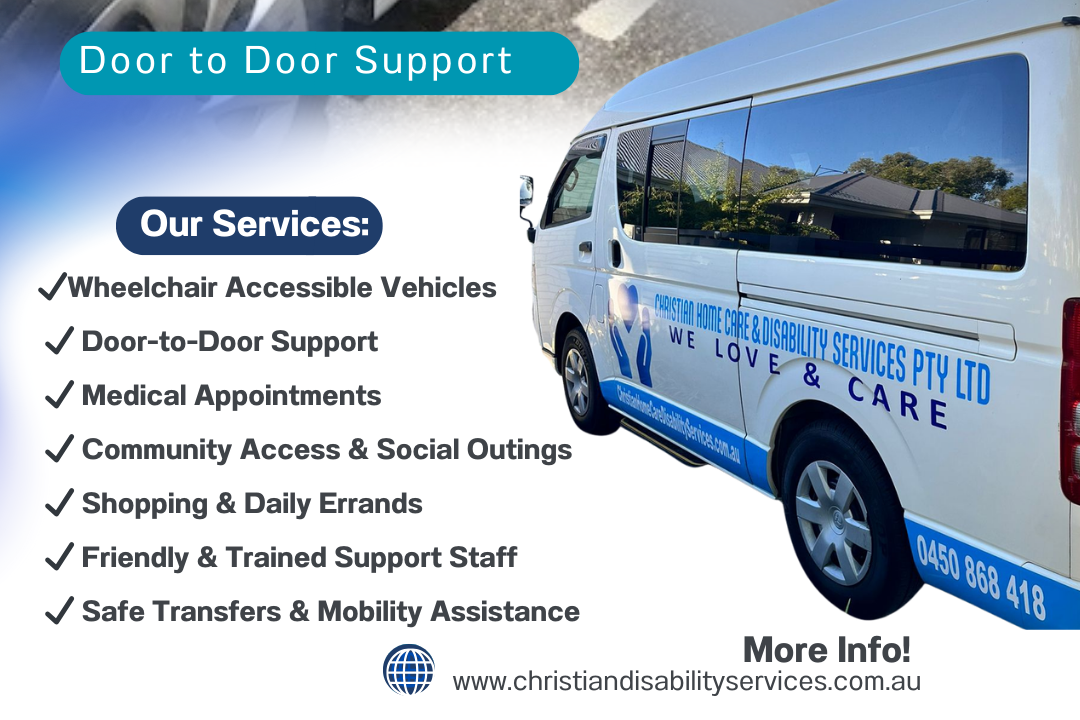
Accessible Transportation Services: Making Community Access Easier
For Many NDIS participants, getting to appointments, social activities, or community events can be a major Challenge. Limited mobility, medical needs, or lack of suitable transport options can make leaving home difficult. That’s where accessible transportation services come in- providing safe, reliable, and inclusive transport that supports independence and participation in the community. At Christian Home Care & Disability Services, we understand that transportation is more than getting from point A to point B. It’s about freedom, social connection, and living life on your terms. Why Accessible Transportation Matters Community Participation is a core part of the NDIS. It helps participants: Maintain Social Connection and reduce isolation Attend medical or therapy appointments Engage in education, employment, or volunteering Enjoy recreational and cultural activities Without accessible transport, these opportunities can be limited- affecting overall wellbeing, confidence, and independence. Features of our Accessible Transport Services We provide tailored solutions designed to meet the unique needs of NDIS participants: Wheelchair – Accessible Vehicles – Safe and comfortable rides for participants using mobility aids Door-to-Door Support- Assistance getting in and out of vehicles Flexible Scheduling- Transport for appointments, social outings, or regular routines Trained Support Staff- Friendly professionals trained in safe handling and participant care Safety & Compliance – Fully insured vehicles and adherence to NDIS transport guidelines Benefits for Participants Using accessible transportation services goes beyond convenience. Participants gain: Independence: Travel without relying on family or friends Confidence: Safe, reliable transport reduces stress and anxiety Community Engagement: More opportunities to participate in local events, education, and social activities. Consistency: Regular transport helps maintain routines and wellbeing How we support NDIS Participants As a registered NDIS Provider, we ensure that our services are aligns with NDIS funding and guidelines. We work with participants, families, and support coordinators to: Understand individuals’ needs and preferences Match participants with the right vehicle and support staff Ensure every trip is safe, comfortable, and enjoyable Provide flexible scheduling that fits around participation goals Make community Access Easier Today Accessible transportation is a vital part of enabling independence, choice, and community participation for NDIS Participants. At Christian Home Care & Disability Services, we are committed to safe, reliable and personalised solutions that help participants live life to the fullest. Let’s make community access easier- everyone deserves the freedom to participate For more information on our Services: Home – Christian Home Care and Disability Services SIL Accommodation

Supporting Independent Living with a Physical Disability
Independent Living means having choice, control, and dignity in everyday life. For people with physical disability, independence does not mean doing everything alone. It means having the right supports, tools, and environment to live life on their own terms. As a disability provider, we believe independent living looks different to everyone. With the right approach, people with physical disabilities can live safely, confidently, and actively within their homes and communities. What does Independent Living really mean? Independent living is about: Making your own decisions Participating in daily activities in ways that work for you Living in a home that supports your physical needs Being connected to your community For someone with a physical disability, independence may involve using mobility aids, receiving personal care support, or having modificati9ons in the home. These supports do not reduce independence, they enable it. The Role of support Services Quality support services play a key role in helping people maintain independence while ensuring safety and well-being Supports may include: Assistance with personal care such as showering or dressing Help with household tasks like cooking, cleaning, or shopping. Support with transfers, mobility, and positioning. Transport to appointments, work, or social interactions The most effective support is person-centred, flexible, and based on the individual’s goals, preference, and routines. Creating An Accessible Home Environment The home environment has a major impact on independence. Small changes can make daily tasks easier and safer. Common home modification includes: Grab Rails in bathrooms and hallways Ramps or step-free entry Wider doorways for wheelchair access Adjustable Benches, sinks, or beds Non-slip flooring and improved lighting An accessible home reduces reliance and increases confidence when moving around independently. Assistive Technology and Equipment Assistive technology can significantly improve independence for people with physical disabilities. Examples include: Manual or powered Wheelchairs Walking aids or transfer equipment Adaptive kitchen tools and bathroom equipment smart home technology for lighting, doors, or temperature control. When chosen correctly assistive technology support people to complete tasks more easily, conserve energy, and reduce risk of injury. Building Daily Living Skills Supporting independence also means encouraging and developing daily living skills at a pace that suits the individual. This May include: Developing routines that work with energy levels Learning new ways to complete tasks safely Using equipment effectively and confidently Practising decision-making and problem-solving Support Workers can guide and encourage without taking over, allowing people to build confidence and maintain control over their daily lives. Community Participation and Social Connection Independent living extends beyond the home. Being part of the community is essential for wellbeing, confidence, and mental health. Support may involve: Attending social groups or activities participating in hobbies, sports, or education Support to attend work or volunteering Building friendships With the right support, people with physical disabilities can remail active, engaged, and connected to the world around them. Respect, Choice, And Dignity At the heart of independence living is respect. People with physical disabilities should always be involved in decisions about their support. This Include: Choosing how and when support is provided Being Listened to and respected Having privacy and dignity in personal care Feeling empowered rather than dependent. Support should adapt to the person, not the other way around. Fial thoughts Independent living with a physical disability is absolute achievable with the right supports in place. It is about creating environments, services, and relationships that promote confidence, safety, and choice. Every Persons journey is unique. By focusing on abilities, preference, and goals, independent living becomes not just possible, but meaningful and fulfilling. If you or a loved one would like support to live more independently, our team is here to help. We are committed to providing respectful, personalised support that empowers people to live life their way.

Burnout Support for Support Workers: Recognising the signs and Taking Care of You
Caring for someone with a disability is meaningful, rewarding, and deeply important work. But it can also be physically, emotionally, and mentally exhausting. Many Support workers give so much of themselves that they forget to look after their own wellbeing- leading to support worker burnout. Burnout is common, and it does not mean you are failing. It means you are human. What is Support Worker Burnout? Burnout is a state of physical, emotional, and mental exhaustion caused by long-term care-giving responsibilities. It often builds up slowly and can affect anyone- parents, family members, or professional carers. Common Signs of burnout include: Constant fatigue, even after rest Feeling overwhelmed or emotionally drained Increased stress, anxiety, or low mood Irritability and frustration Difficulty sleeping Loss of interest in activities you once enjoyed Feeling of guilt for wanting a break Recognising these signs early is an important step towards protecting your health. Why Support Worker Burnout Happens Support workers often juggle many roles at once- advocate, supporter, organiser, and emotional anchor. Over time this can be intensified by: Limited time for yourself Ongoing responsibility without breaks Emotional Strain of caring for loved ones Navigating funding, appointments, and services Feeling like you must ” Do it all” Without enough support, even the most resilient Support workers can feel stretched beyond capacity. Why Looking After Yourself Matters Caring for yourself is not selfish- it’s essential. When support workers are supported and well, they are better able to provide safe, consistent, and compassionate care. Your wellbeing matters just as much as the person you support. Practical Ways to Manage and Prevent Burnout 1. Accept Support You don’t have to do everything alone. Support can come from: Family and friends Respite Services Support workers Professional Services Asking for help is a strength, not weakness. 2. Schedule Regular Breaks Even short breaks can make a big difference. Time to rest, recharge, or focus on something you enjoy helps prevent exhaustion from building up. 3. Prioritise your health Try to maintain: Regular meals Adequate sleep Gentle physical activity Medical Check-ups Your Health is not optional- it’s vital 4. Talk about How your Feeling Sharing your experience with someone you trust can reduce stress and help you feel less alone. This could be a friend, another support worker, or a professional counsellor. 5. Set Realistic Expectations You don’t need to be perfect. It’s okay if some days are harder than others. Celebrate small wins and be kind to yourself. How Disability Services can help Disability support providers can offer practical solutions to reduce Support worker pressure, including: In-home Support Respite Care Community participation support Skill-building for greater independence Emotional Support and guidance These services are designed to support both participants and their support workers. You’re Not alone If your feeling burnt out, overwhelmed, or exhausted, please know that help is available– and you deserve it. Taking Care of yourself allows you to continue caring for others in a healthier, more sustainable way. If you’d like to learn more about how we can support you or a loved one, feel free to reach out to our team. We’re here to help.

Supporting Independence, Dignity and Choice
At Christian Home Care & Disability Services, we remain committed to providing high -quality care, Person centred support that empowers individuals to live fulfilling and independent lives. What does Independence really mean? Independence looks different for everyone. For some, it may mean managing daily tasks with minimal support. For others, it could involve making informed choices while receiving physical or emotional assistance. Supporting independence is not about doing everything alone- it’s about having the right support to do as much as possible for oneself. Our Services are designed around each person’s unique goals, strengths and needs. Whether through supported independent living, drop-in support, or community engagement, we focus on promoting and supporting independence, choice, dignity, and wellbeing in a safe and respectful environment. We believe that a supportive home and strong relationships are the foundation for a positive outcome. Our accommodation offers comfortable living spaces that encourage independence while ensuring the right level of support is always available. Our dedicated support team works closely with individuals, families, and professionals to create tailored support plans that truly reflect what matters most to each person. As we continue to grow, we focused on: Maintaining high standards of care and safety Encouraging independence and life skills development Supporting Social inclusion and community participation Listening to feedback to continually improve our services Supporting Independence, Dignity and Choice are not optional extras; they are essential to compassionate, effective Support. By embedding these principles into everyday practise, we help create environments where individuals feel empowered, respected and valued True Support is not about taking control- it’s about enabling people to live their lives, their ways.

Choosing The right SIL Accommodation & Support Services: A Helpful Guide
Finding the right Supported Independent Living (SIL) Accommodation can be life – changing. As a disability Service Provider, we understand that choosing the right home and support services is not just about meeting NDIS requirements. It’s about creating a safe, empowering, and fulfilling life. If you or a loved one is exploring SIL options, here are some practical tips to help you make informed and confident choices. 1. Understand What SIL really means SIL is designed to support people with disability who need help with daily tasks while living as independently as possible. This may include: Personal Care (showering, dressing, grooming) Cooking and meal preparation Medication Support Household tasks Building daily living and social skills Remember, SIL is about support, not control. The goal is to empower participants to live life on their own terms. 2. Choose a Home That feels like home Accommodation should never feel clinical or restrictive. When viewing SIL homes, consider: Is the home accessible and safe? Does it suit the participant’s mobility and sensory needs? Is it close to family, community activates, transport, and services? Does it feel comfortable and welcoming? A good SIL provider ensures the home supports both independence and wellbeing 3. Look for Person- Centred Support Every individual has different needs, preferences, and goals. Quality SIL services should: Be tailored to participant NDIS goals Respect cultural background and personal choices Encourage decision- making and independence Adapt as needs change over time Ask providers how they personalise plans- this is a key indicator of quality care. 4. Meet the support team Support workers play a vital role in daily life. When choosing a provider: Ask about staff training and experience Ensure staff are based on personality and communication style Check the staff availability matches required support hours Look for providers who prioritise consistency and trust 5. Ask About Community Participation A good SIL Service doesn’t stop at the front door. Ask how the provider supports: Social activities and hobbies Community access ad outings Skill development Maintaining family and social connections Independence grows when people feel connected and included. 6. Make Sure Communication is clear and open Transparent communication is essential. the right provider will Keep participants and families informed Encourage feedback and choice Clearly explain service, cost, and NDIS funding Work collaboratively with support coordinators and allied health professionals You should always feel heard and respected. Final Thoughts Choosing SIL accommodation and support services is an important decision, it’s ok to take your time. The right provider will focus on dignity, choice, independence, and quality of life. Because everyone deserves a place where they feel safe, supported, and at home. If you’re exploring SIL options and need guidance, you can contact us for more information
